
Constitutional Law and Legal Analysis

A Discussion of Rights and the Constitution
A Discussion of Rights and the Constitution
This paper argues that the U.S. Constitution is fundamentally sincere in its commitment to Natural Law, even though municipal laws and court decisions have often violated the natural rights of Native tribes, women, enslaved African Americans, and children. Grounded in Locke’s theory that individuals possess God-given rights to self-preservation, autonomy, and the fruits of their labor, the Constitution is presented as a structural check on manmade law rather than its source.
The paper shows how legislation and case law—from the Trade and Intercourse Act and Johnson v. M’Intosh, to coverture, the Trial of Mrs. Packard, slavery, Dred Scott, and Jim Crow—weaponized municipal law against vulnerable groups, later partially corrected by the Reconstruction Amendments and civil rights jurisprudence. It then questions whether children need additional enumerated rights, rejecting a constitutional right to education but proposing a targeted expansion of the Thirteenth Amendment to forbid the involuntary servitude of children and the seizure of their wages, thereby better aligning practice with Natural Law.
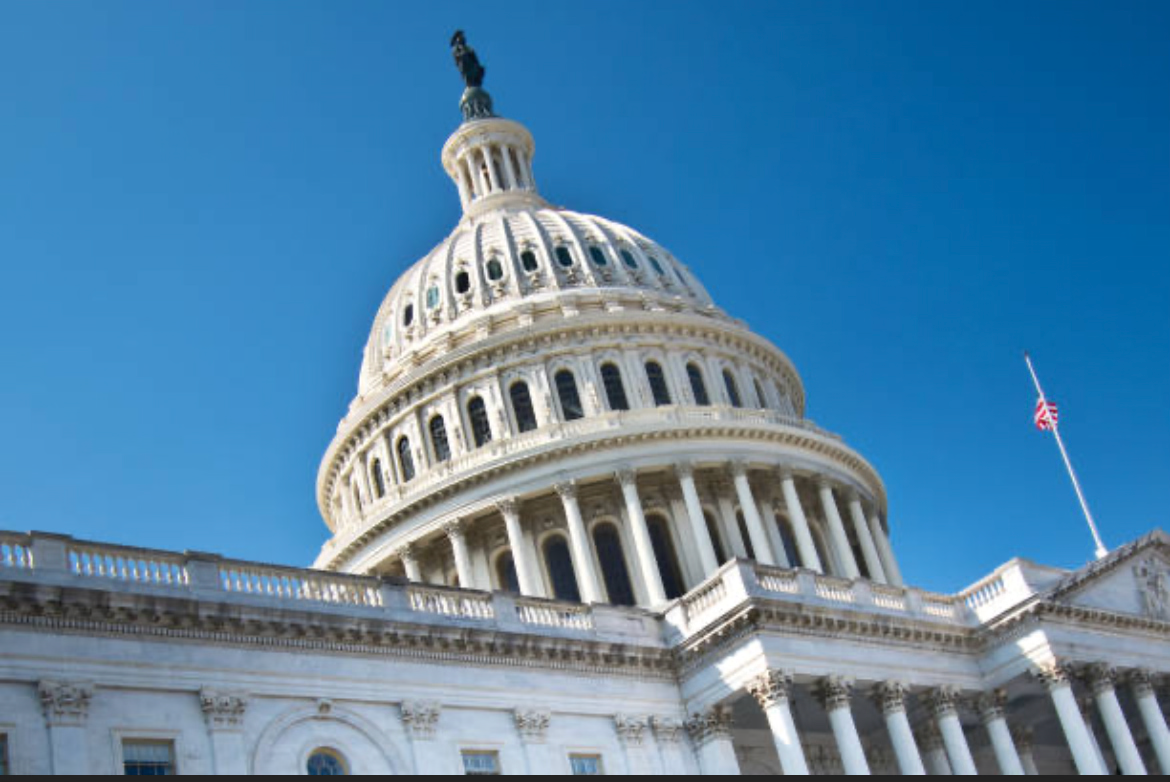
It’s Time For Term Limits
Its Time For Term Limits.J.Cavanaugh
This paper argues that congressional term limits are essential to restore the separation of powers in American government. Without term limits, members of Congress prioritize reelection over legislating, leading to the abdication of legislative authority to federal agencies and the executive branch. Drawing on Supreme Court cases, founding documents, and political theory from Madison to Weber, the paper traces how Chevron deference and congressional dysfunction have eroded constitutional checks and balances. The analysis examines the recent overturning of Chevron deference, the proposed REINS Act, party polarization, the expansion of executive orders, and the growth of the federal bureaucracy. Specific proposed term limits—five terms (10 years) for House members and three terms (18 years) for Senators—that align with presidential cycles while preventing decades-long tenure.


Democracy is not a Philosophy
Democracy is Not a Philosophy argues that democracy should be defined in strictly procedural and institutional terms, not in terms of moral or ethical ideals such as equality, liberty, or democratizing “moments.” The essay first shows how classical and contemporary theorists load democracy with contested normative content, producing endlessly malleable subtypes, claims of democratization, and diagnoses of democratic backsliding. It then proposes a minimalist definition of democracy—free and fair elections, competitive offices, separation of powers, institutional capacity to govern, and effective due process—deliberately separating this definition from natural rights and other liberal principles. On this basis, it treats moral and ethical standards as the domain of natural law and classical liberalism (especially Locke), and uses American constitutional jurisprudence to show how the same democracy can oscillate between Hobbesian “might makes right” moments (e.g., slavery, segregation, coercive labor law) and more Lockean moments that affirm natural rights (e.g., Brown, Loving, privacy and family-rights cases). The essay concludes that democracy itself has no inherent moral content; instead, the freedom of a democracy must be evaluated over time by examining whether its legal order protects or infringes the natural rights that supervene upon, and stand in judgment over, municipal law.